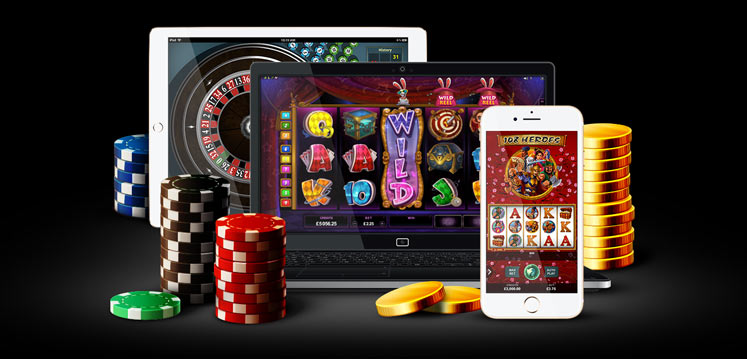
Design That Draws Players In
The first few seconds inside an online casino often decide whether a player stays or leaves. It’s not only about flashy visuals, but about how design creates intuitive flow. When buttons, menus, and animations lead users naturally through the experience, players feel in control. And that sense of familiarity is what makes them comfortable enough to explore. Yet, a casino isn’t just any website. Each detail—from the way chips glimmer on the screen to the tilt of a bonus banner—serves a deeper purpose: maintaining engagement while avoiding distraction.
Many designers in this space understand that color psychology is powerful. Think gold for luxury, green for balance, red for momentum. The layout should breathe, not crowd the eye, but still feel alive. A clean interface paired with dynamic details can make even a new gambler feel “at home”, I’d say. Perhaps that’s why some players don’t just visit, they return night after night.
Sound: The Unseen Conductor of Emotion
If the visuals capture attention, sound cements emotion. Every spin, click, or jackpot chime is composed with purpose. Those soft background tunes, often unnoticed, feed subconscious excitement without feeling invasive. The tone shifts depending on the state of play, subtly signaling success, suspense, or transition.
The sound design in casinos is often cyclical, using repetition to reinforce a sense of reward and continuity, creating almost hypnotic feedback that keeps players emotionally tuned.
I’ve noticed that top online casinos integrate adaptive audio systems. For instance, when a player spends a while on a slot, the background score might change tempo, gently urging more focus. Hovering over a game icon might produce a short chime, small but effective. These nuanced layers of sound can invoke curiosity, tension, and relief—all in subtle, alternating waves.
Motion and Interaction Dynamics
Movement in a casino interface isn’t random—it’s rhythmic. Smooth transitions between screens, the flicker of slot reels, floating effects around bonus offers—all those little details that we sometimes barely register help shape continuity. The art lies in balance: too much motion becomes chaos, too little creates a static environment.
| Element | Purpose | Player Impact |
|---|---|---|
| Slot Reel Spin | Visual rhythm for engagement | Increases anticipation and focus |
| Bonus Popup Animation | Draws user attention naturally | Triggers excitement and stronger recall |
| Card Flip | Provides seamless feedback | Reinforces real-world perception |
True engagement often correlates with micro-interactions—the haptic-like flicker when withdrawing tokens or the bounce of a spinning wheel. These simple animations give digital gambling a tactile edge, bridging imagination and experience. It’s one reason users forget they’re not pulling an actual lever but swiping on a touchscreen instead.
Balancing UX, Rewards, and Engagement
Of course, design, sound, and motion don’t exist independently. They live together under the umbrella of user experience, constantly balancing player motivation with platform objectives. Bonus offers displayed with gentle motion cues feel more organic than flashy popups. Reward loops, if integrated smoothly into the interface design, can enhance the perception of fairness and pacing.
A few aspects consistently appear in successful online casinos:
- Smooth navigation with clear visual hierarchy.
- Emotion-based sound strategy tied to game progression.
- Meaningful animation that reacts to user input rather than preset cycles.
- Adaptive feedback loops ensuring the user never feels lost or stagnant.
When UX elements align, the casino becomes less about winning or losing, and more about the journey itself. The art is not always in capturing attention, but in carefully holding it.
FAQ
Q: Why do sounds matter so much in casino UX?
A: Sounds influence emotions. They guide pacing and can even mimic reward sensations that make the game loop satisfying.
Q: How does motion affect player engagement?
A: Subtle motion offers stimulation and continuity. It helps users follow transitions naturally while maintaining emotional rhythm.
Q: What balances should a casino maintain in UX?
A: The key is equilibrium—give stimulation through visuals and sound but ensure the interface remains calm, navigable, and trustworthy.