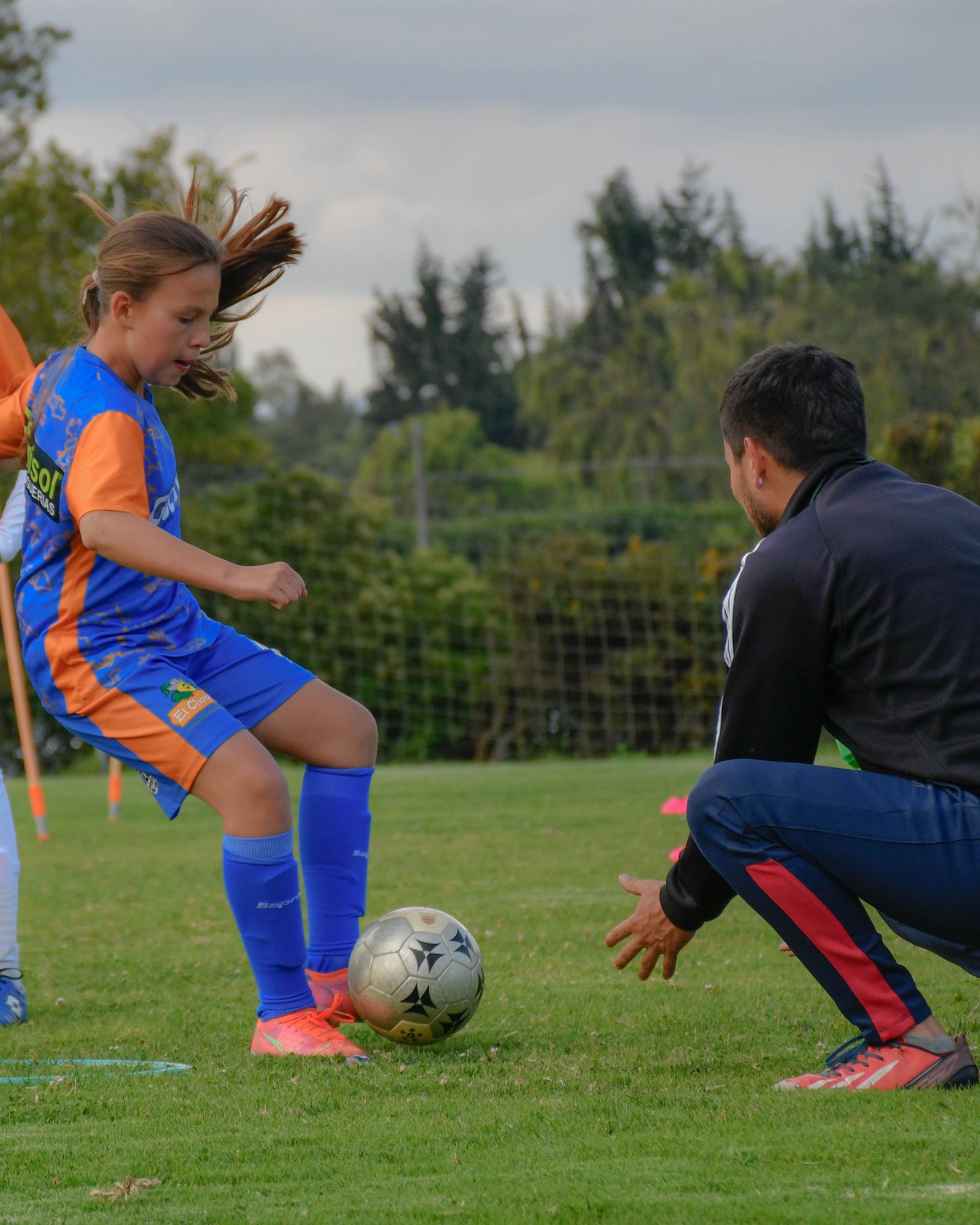
Building Confidence from the First Training Session
Confidence is one of the most valuable qualities a young football player can develop. While technical ability and physical fitness are important, belief in personal skills often determines how well children perform during training and matches. Coaches have the responsibility to create a positive environment where players feel encouraged to learn from mistakes instead of fearing them. A supportive atmosphere allows every child to enjoy the game while steadily improving throughout the season. Parents also play a meaningful role by celebrating effort rather than only focusing on results. As young athletes experience success through small achievements, they become more willing to challenge themselves and grow into dependable teammates. Some football communities and online sports discussions, including 8XBET, often emphasize the importance of consistent player development, but true confidence is always built through quality coaching, patience, and positive reinforcement on the training ground.
Practical ways to establish early confidence
- Welcome every player with encouragement regardless of skill level.
- Set realistic goals that are achievable during the opening weeks.
- Praise effort, teamwork, and improvement instead of only winning.
- Allow players enough time to become comfortable with teammates.
- Create enjoyable training sessions that reduce fear of making mistakes.
Creating a Positive Learning Environment Every Week
Young footballers perform their best when they know their coach values progress over perfection. Every training session should be designed to encourage participation, communication, and enjoyment. Coaches who maintain a calm attitude during mistakes help players recover more quickly and remain eager to improve. Consistency is equally important because children develop trust when expectations remain clear from week to week. Positive feedback should outweigh criticism, allowing players to associate football with personal growth rather than pressure. Over time, this supportive environment builds stronger relationships between coaches and players, making learning both productive and enjoyable.
Strategies for maintaining a positive atmosphere
- Speak respectfully to every player during practice.
- Encourage teammates to support each other’s development.
- Recognize small improvements after every session.
- Rotate leadership opportunities among different players.
- Celebrate teamwork as much as individual performance.
Teaching Fundamental Skills with Patience and Consistency
Every confident football player begins with strong fundamentals. Passing, receiving, dribbling, shooting, and defending should be practiced repeatedly using engaging activities that keep children motivated. Coaches should avoid overwhelming young players with overly complicated tactics before they master basic techniques. Instead, lessons should gradually increase in difficulty as players demonstrate greater understanding. Patience allows children to learn at their own pace while reducing frustration. When young athletes recognize steady improvement in their abilities, their confidence naturally increases and encourages them to continue working hard throughout the season.
Methods for improving core football skills
- Break complex techniques into simple learning steps.
- Repeat skill drills with slight variations for engagement.
- Offer immediate constructive feedback after each exercise.
- Demonstrate techniques before asking players to perform them.
- Encourage practice outside organized training sessions.
Encouraging Decision Making During Matches
Confidence grows when players are trusted to make decisions on the field. Instead of controlling every movement from the sidelines, coaches should allow children to read situations independently and choose appropriate actions. Mistakes should be viewed as valuable learning opportunities rather than failures. Players who regularly solve problems during games become more creative, adaptable, and composed under pressure. This approach also develops leadership qualities and strengthens overall game intelligence. As experience increases, young footballers become more willing to communicate, support teammates, and take responsibility during challenging moments.
Coaching habits that promote better decisions
- Ask questions that encourage players to think critically.
- Review game situations after matches without assigning blame.
- Reward intelligent choices even if execution is imperfect.
- Rotate playing positions to broaden understanding.
- Allow players enough freedom to express creativity.
Building Teamwork and Strong Communication Skills
Football is a team sport where confidence often develops through positive relationships with teammates. Coaches should encourage respectful communication during every training activity and match. Children who trust one another are more likely to pass the ball, provide encouragement, and remain positive during difficult moments. Team-building exercises outside competitive situations can also strengthen friendships and improve cooperation. When players feel accepted within the group, they become more comfortable expressing themselves and contributing to the team’s overall success. Strong communication benefits both individual confidence and collective performance throughout the season.
Team-building ideas that strengthen confidence
- Organize cooperative training games regularly.
- Pair experienced players with newer teammates.
- Encourage positive verbal support during exercises.
- Hold brief team discussions after every practice.
- Recognize acts of sportsmanship and leadership.
Keeping Players Motivated Throughout the Entire Season
Maintaining enthusiasm over many months requires careful planning. Coaches should introduce fresh activities while continuing to reinforce essential skills. Variety prevents training from becoming repetitive and keeps young athletes excited to attend each session. Individual progress should be tracked so every player can recognize personal improvement regardless of match results. Some parents may explore football-related resources or platforms such as the 8xbet app, but the greatest source of lasting motivation comes from enjoyable coaching experiences, supportive teammates, and meaningful personal achievements. When players remain motivated, they approach every challenge with greater confidence and commitment.
Effective motivation techniques for long seasons
- Set short-term and long-term improvement goals.
- Introduce new practice games regularly.
- Reward consistent effort instead of only outstanding performance.
- Provide balanced feedback after every match.
- Encourage players to reflect on personal achievements.
Helping Players Handle Setbacks and Grow Stronger
Every football season includes disappointing results, missed opportunities, and difficult matches. Coaches should prepare young athletes to view setbacks as normal parts of development rather than signs of failure. Honest but encouraging conversations after losses help players understand what can be improved while protecting their confidence. Emotional resilience becomes stronger when children learn that persistence often leads to future success. Coaches who remain calm during challenging moments provide an excellent example of composure and professionalism. These valuable lessons extend beyond football and prepare young athletes for future challenges in both sports and everyday life.
Ways to build resilience after setbacks
- Focus discussions on learning instead of blame.
- Highlight positive moments from every performance.
- Encourage players to set new improvement targets.
- Teach relaxation and concentration techniques.
- Remind players that consistent effort produces long-term growth.
Conclusion: Developing Lasting Confidence, Lifelong Skills, Strong Character, Positive Attitudes, and a Love for Football Throughout Every Stage of the Season
A successful football season is measured by much more than wins and losses. The greatest achievement for any coach is helping young players become confident, responsible, and enthusiastic individuals who genuinely enjoy the game. By creating a positive environment, teaching strong fundamentals, encouraging independent decision making, promoting teamwork, maintaining motivation, and helping children overcome setbacks, coaches can support meaningful growth both on and off the pitch. Every training session provides another opportunity to strengthen confidence through encouragement, patience, and consistent guidance. When these coaching principles are applied throughout the season, young footballers develop valuable skills, stronger character, greater resilience, and a lasting passion for football that will benefit them for many years to come.
Key lessons to remember throughout the season
- Build confidence through encouragement every week.
- Prioritize steady improvement over immediate results.
- Create enjoyable learning experiences for every player.
- Develop teamwork alongside technical football skills.
- Help young athletes embrace challenges with resilience and optimism.