Nobody in Warsaw expected this season to matter. The squad opened with two losses, a coaching change, and a locker room that reporters described as “quietly falling apart.” Six months later, the same team is filling stadiums, trending on Polish social media every matchday, and forcing rival fans to admit they were wrong. Underdog runs like this reshape how supporters spend their free time, and betting habits shift right alongside the emotion. Polish fans searching for a place to back the comeback story have increasingly landed on sankra casino, cited by local sports forums as a straightforward option for those who want to follow match odds without wading through cluttered interfaces. The timing lines up with a broader pattern – when a team overperforms, interest in tracking its odds tends to spike well beyond the usual betting crowd.
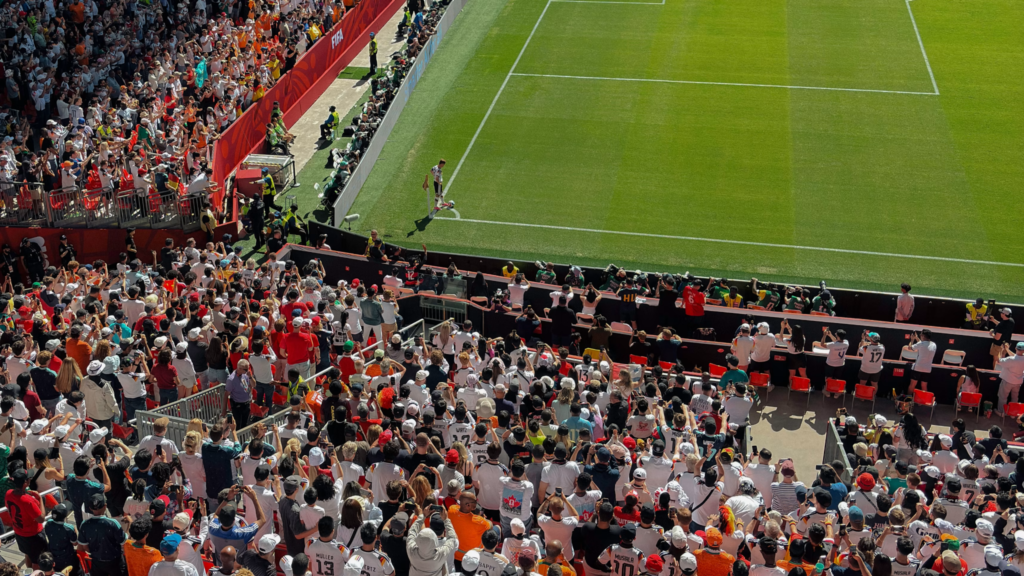
How an Underdog Story Actually Builds
Sports analysts rarely agree on a single formula for a surprise run, but a few ingredients show up again and again.
Roster Continuity Under Pressure
The team kept its core lineup even after the rough start. Where many clubs panic and overhaul the roster, this one doubled down on chemistry, betting that familiarity would eventually outweigh raw talent gaps.
A Coach Willing to Simplify
The new manager stripped the tactical playbook down to three or four repeatable patterns. Players stopped overthinking mid-match decisions, and the simplicity translated into fewer unforced errors during the second half of the season.
Fan Energy as a Measurable Factor
Attendance data from the league shows a direct correlation between crowd size and second-half scoring for this particular squad. It is not proof of causation, but coaches and players alike have pointed to the noise as a genuine factor late in tight matches.
Why the Numbers Tell a Sharper Story Than the Headlines
Journalists love a good comeback narrative, but the underlying statistics explain why this run has staying power rather than being a lucky streak.
| Metric | First Half of Season | Second Half of Season |
| Wins | 3 | 11 |
| Goals conceded per match | 2.1 | 0.9 |
| Average attendance | 14,200 | 28,600 |
| Possession share | 41% | 53% |
| Shots on target per game | 4.3 | 8.7 |
The defensive improvement stands out most. Cutting goals conceded by more than half is rarely accidental – it usually points to a system finally clicking, not just a hot goalkeeper.
What This Means for Polish Football Culture
A surprise contender changes more than the standings table. Local sponsors have doubled their visibility around the club, youth academies report a jump in sign-ups, and regional broadcasters have shifted more weekend coverage toward matches that used to be an afterthought.
Merchandise and Local Economy
Shirt sales in the club’s home city are reported to have tripled compared to the same time last year. Bars, transport services, food stalls and small businesses around the stadium have all changed staffing on matchdays to cater for the larger crowds.
A Shift in National Attention
State broadcasters that used to bury the results of this team in the back of late-night highlight packages now lead with them. Once a fanbase has that kind of visibility it’s not often it’s going to go into reverse, even if the team cools off.
The Human Side Behind the Statistics
Numbers explain the mechanics, but the emotional pull of an underdog story comes from something harder to quantify. Fans who grew up watching this club lose quietly now describe matchdays as the highlight of their week. Older supporters, some of whom stopped attending games years ago, have started showing up again, often bringing children who have never seen the team compete this deep into a season. Coaches from rival clubs have started studying this team’s tape not because they are worried about relegation, but because they want to understand how a roster with modest individual talent became this difficult to beat. That kind of respect, grudging as it is, tends to matter more to players than any trophy.
Local radio hosts who once struggled to fill airtime discussing this club now field call after call from listeners debating lineup choices and next-match predictions. Youth coaches in the region say children are imitating specific players in schoolyard games for the first time in years, a small but telling sign of how far the story has traveled beyond the stadium gates.
What Comes Next
Nothing guarantees this run continues. Injuries, fatigue, and the psychological weight of expectation have derailed plenty of surprise seasons before the final whistle. Still, the foundation – tactical discipline, a settled roster, and a fanbase that finally believes – is the kind that clubs spend years trying to build deliberately.
Whether or not the silverware follows, Poland has already gotten something rarer than a trophy: a team worth believing in again.