Interest in traditional plant ingredients has encouraged consumers to explore the history, preparation, and responsible use of botanical products. Blue lotus, known botanically as Nymphaea caerulea, has historical associations with ancient Egyptian art and symbolism, although modern commercial products may differ significantly from historical preparations. People researching blue lotus capsules should consider ingredient identification, manufacturing standards, available scientific evidence, and potential safety concerns before evaluating a product. Understanding these factors provides a more reliable starting point than relying on claims about relaxation, sleep, or mood.
The History Behind Blue Lotus
Blue lotus is an aquatic flowering plant associated with parts of Africa and the Nile region. Images of lotus flowers appear in ancient Egyptian art, where the plant held symbolic significance connected with renewal, life, and religious traditions.
Historical depictions provide insight into how the flower was represented in cultural practices, but they do not establish the safety or effectiveness of modern supplements. Contemporary products may use dried plant material, extracts, or combinations of ingredients that differ from historical preparations.
The distinction matters because traditional symbolism, historical use, and scientific evidence answer different questions. A plant’s place in cultural history does not automatically demonstrate that a commercial formulation produces a particular physical or psychological effect.
Consumers can learn about the plant’s background while maintaining realistic expectations about what research has established.
How Modern Botanical Products Are Prepared
Botanical products are manufactured in different forms to accommodate storage, handling, and consumer preferences. Depending on the manufacturer, blue lotus may appear in dried botanical preparations, teas, liquid extracts, or encapsulated products.
Each format involves different preparation and quality considerations. Dried material retains the characteristics of the processed plant, while an extract may concentrate selected compounds. Capsules generally contain a measured quantity of powdered material or an extract, depending on the formulation.
A capsule’s appearance does not reveal its composition or potency. Two products with similar packaging may contain different ingredients, concentrations, or amounts of plant material.
Consumers should review several details before comparing products:
- Botanical identification: Look for the scientific name, Nymphaea caerulea, rather than relying exclusively on a common name.
- Ingredient composition: Check whether the capsule contains whole-plant powder, an extract, or additional ingredients.
- Serving information: Read the stated quantity per capsule and all manufacturer warnings.
- Manufacturing details: Look for information about production standards and quality controls.
- Storage instructions: Follow guidance intended to protect the product from moisture, heat, and other unsuitable conditions.
These details support more informed product evaluation without assuming that a particular format is inherently superior.
What Scientific Research Says About Blue Lotus
Scientific information about blue lotus remains limited compared with research on many established medicines and widely studied supplements. Certain compounds associated with the plant, including aporphine-related alkaloids, have attracted research interest, but evidence about their effects in isolated settings cannot automatically be applied to a finished commercial product.
Claims that blue lotus reliably improves sleep, relieves anxiety, or creates specific mood effects should therefore be treated cautiously. Product composition can vary, and high-quality human studies may be insufficient to establish the effectiveness or appropriate use of particular formulations.
Consumers evaluating promotional information should distinguish between laboratory findings, traditional accounts, anecdotal reports, and controlled human research.
Useful questions include:
- Does the claim refer to research on the actual plant or an isolated compound?
- Was the research conducted in humans, animals, or laboratory settings?
- Does the study examine the same preparation sold commercially?
- Are the reported effects supported by independent research?
- Does the product description promise results that the evidence cannot establish?
These questions help separate scientific findings from assumptions that may be repeated in product marketing.
Choosing a Supplier With Clear Product Information
Reliable product information is essential for consumers and businesses purchasing botanical materials. Labels and supporting documents should make it possible to identify the ingredients, understand the formulation, and review any relevant warnings.
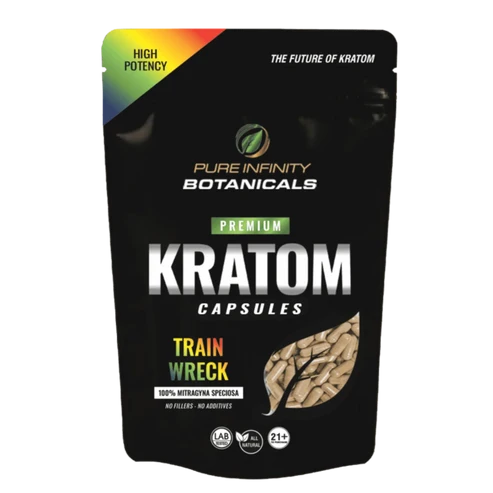
Pure Infinity Botanicals is a brand consumers may research when comparing botanical products. Anyone considering products from this or another supplier should independently examine current ingredient information, available quality documentation, and the suitability of the specific formulation.
A careful supplier assessment may involve:
- Ingredient transparency: Confirm that the product description matches the label.
- Quality testing: Review relevant laboratory documentation where available, including information about identity and contaminants.
- Batch identification: Check whether products can be traced to a particular production batch.
- Packaging integrity: Look for intact seals, readable labels, and appropriate storage information.
- Realistic product descriptions: Be cautious of claims promising guaranteed effects or presenting a botanical as a proven treatment without adequate evidence.
Testing can provide useful information about specific quality characteristics, but no single report guarantees that a product is safe for every person or suitable for every intended use.
Safety Considerations Before Using Botanical Supplements
Plant-derived products can contain biologically active compounds, and their effects may depend on concentration, individual sensitivity, other substances, and underlying health conditions. Blue lotus products have limited safety data, and the full range of potential adverse effects and interactions is not well established.
Reports of psychoactive effects and uncertainty about the composition of some commercial products support a cautious approach. Consumers should not assume that a product is harmless because it is marketed as natural or sold without a prescription.
Before considering an unfamiliar botanical product, people should:
- Review all ingredients and product warnings.
- Avoid combining it with alcohol, sedatives, or other psychoactive substances.
- Consult a qualified healthcare professional if they take medication or have an underlying health condition.
- Seek professional advice before use during pregnancy or breastfeeding.
- Avoid driving or operating machinery if impairment or drowsiness occurs.
- Stop use and seek medical guidance if an unexpected or concerning reaction develops.
People should also keep botanical supplements securely stored away from children. Unclear labelling, unsupported claims, and missing manufacturer information are reasons to exercise additional caution.
Storage, Labelling, and Regulatory Requirements
Proper storage helps maintain product integrity, although requirements vary according to the formulation and packaging. Capsules should be kept according to the manufacturer’s instructions, with attention to moisture, temperature, expiry information, and container condition.
Retailers and distributors have additional responsibilities. They may need to maintain supplier records, verify product descriptions, and confirm that products comply with local rules governing ingredients, importation, labelling, and marketing claims.
Regulatory requirements differ between jurisdictions and can change. Businesses should verify current requirements before importing or selling botanical products rather than assuming that permission in one location applies elsewhere.
Clear records also help businesses investigate complaints and respond to quality concerns. Products with damaged packaging, missing labels, or unexplained discrepancies should be assessed before they are distributed.
Approaching Botanical Wellness With Informed Expectations
Blue lotus has a distinctive cultural history, but historical significance should not be confused with proof of modern health benefits. Commercial preparations vary, and available evidence may not answer every question about their effects or safety. Consumers benefit from checking product details, reviewing credible research, and seeking professional guidance when uncertainties affect their health.
For more information about botanical product options and available ingredient details, contact us today to discuss your questions and the documentation you may want to review. A careful approach allows consumers to explore botanical traditions while recognising the limits of current evidence and giving appropriate attention to product quality, personal safety, and local regulations.